


Find Practical AI Opportunities for Your Business

AI can improve how businesses search information, analyze data, process documents, serve customers and automate workflows.

But identifying where AI can actually create value is often harder than using the technology itself.

Oracast helps businesses evaluate their applications, workflows, data and systems to identify practical AI opportunities: and turn the most valuable ideas into an actionable implementation roadmap.

What Is AI Consulting?

AI consulting helps a business determine how artificial intelligence can be applied to its products, applications, processes, data and workflows.

Good AI consulting goes beyond identifying interesting technology.

It should help answer practical questions such as:
  • Where could AI create measurable value?
  • Which processes are good candidates?
  • What data would AI need?
  • Can AI work with our existing systems?
  • Should we build, buy or integrate?
  • What should we do first?
  • What will it cost?
  • What risks need to be addressed?
  • What can be automated?
  • Where should humans remain involved?

The goal is not to find ways to use AI everywhere. The goal is to identify where AI is actually useful.

Don't Start With AI. Start With the Business Problem.

One of the easiest ways to waste money on AI is to begin with the technology instead of the problem.

Instead of asking:

"Where can we put a chatbot?"

We start with:

"Where are people spending time searching, reviewing, entering, analyzing or moving information?"

Instead of:

"Can AI automate this?"

We ask:

"What is the business outcome we are trying to improve?"

We Look For

  • Time-consuming processes
  • Repetitive work
  • Manual data entry
  • Document-heavy processes
  • Difficult searches
  • Reporting bottlenecks
  • Customer service workload
  • Data analysis challenges
  • Approval workflows
  • Information scattered across systems
  • Processes requiring frequent human review

AI is the tool. The business outcome is the objective.

Where Could AI Make a Difference?

Employees

Help employees find information, analyze data and complete repetitive tasks.

  • Internal assistants
  • AI search
  • Report generation
  • Data analysis
  • Task preparation
Customers

Improve customer self-service and support.

  • AI assistants
  • Natural-language search
  • Customer portals
  • Document questions
  • Personalized information
Operations

Improve operational workflows.

  • Scheduling
  • Dispatch
  • Data entry
  • Exception handling
  • Workflow automation
Documents

Reduce manual document processing.

  • Invoice processing
  • Data extraction
  • Classification
  • Validation
  • Summarization
Data

Make business information easier to understand.

  • Natural-language reporting
  • Trend analysis
  • Anomaly detection
  • Recommendations
  • Business intelligence
Systems

Connect information and workflows across applications.

  • CRM
  • ERP
  • Accounting
  • Payroll
  • Industry platforms
  • Internal applications

Turn AI Ideas Into an Actionable Roadmap

AI brainstorming can generate dozens of ideas. The challenge is determining which ones are worth building. An AI Opportunity Assessment evaluates potential use cases against business value, technical feasibility, data availability, risk and implementation effort.

We Evaluate Each Opportunity

Business Value

Could this meaningfully improve:

  • Revenue
  • Cost
  • Productivity
  • Customer experience
  • Decision-making

Operational efficiency?

AI Fit

  • Is AI actually the right technology?
  • Some problems are better solved with traditional software, rules or automation.

Data Availability

  • Does the necessary information exist?
  • Can it be accessed reliably?
  • Is the data structured and usable?

Technical Feasibility

  • Can the capability be integrated into the existing environment?

Integration Requirements

  • What applications and third-party systems are involved?

Security & Risk

  • What information would AI access?
  • What actions could it perform?
  • Would human approval be required?

Implementation Effort

  • How difficult would it be to build, test and maintain?

Not Every AI Idea Should Be Built

A good AI roadmap should help a business decide what not to build as well as what to build.

We can categorize opportunities based on:

  • Business value
  • AI fit
  • Technical complexity
  • Data readiness
  • Integration complexity
  • Risk
  • Expected project value
  • Reusability
  • Time to implementation

Example Categories

Quick Win

High-value opportunity with relatively low complexity.

Strategic Opportunity

Potentially significant business impact but requires more planning or development.

Foundation Project

A project that creates infrastructure or data capabilities needed for future AI initiatives.

Monitor

Interesting idea that may become more practical as technology or business conditions change.

Not Recommended

An opportunity where AI adds limited value compared with simpler technology.

The goal is a focused AI roadmap - not a long list of AI ideas.

Is Your Business Ready for AI?

AI readiness is not just about having access to an AI model. A business may have a strong AI opportunity but lack the technical foundation required to implement it effectively.

We Can Evaluate

Data

  • Where data lives
  • Data quality
  • Data accessibility
  • Data structure
  • Data ownership

Applications

  • Application architecture
  • APIs
  • Database
  • Technology stack
  • Integration capabilities

Infrastructure

  • Hosting
  • Security
  • Monitoring
  • Reliability
  • Scalability

People & Processes

  • Current workflows
  • User roles
  • Human approvals
  • Change management
  • Operational ownership

Security

  • Access controls
  • Sensitive data
  • Authentication
  • Authorization
  • Audit requirements

Sometimes the first AI project should actually be a modernization or data project that creates the foundation for future AI.

Your Existing Applications May Be Your Biggest AI Opportunity

Businesses often already have valuable applications containing years of data, business rules and workflows. That existing software can provide a strong foundation for AI.

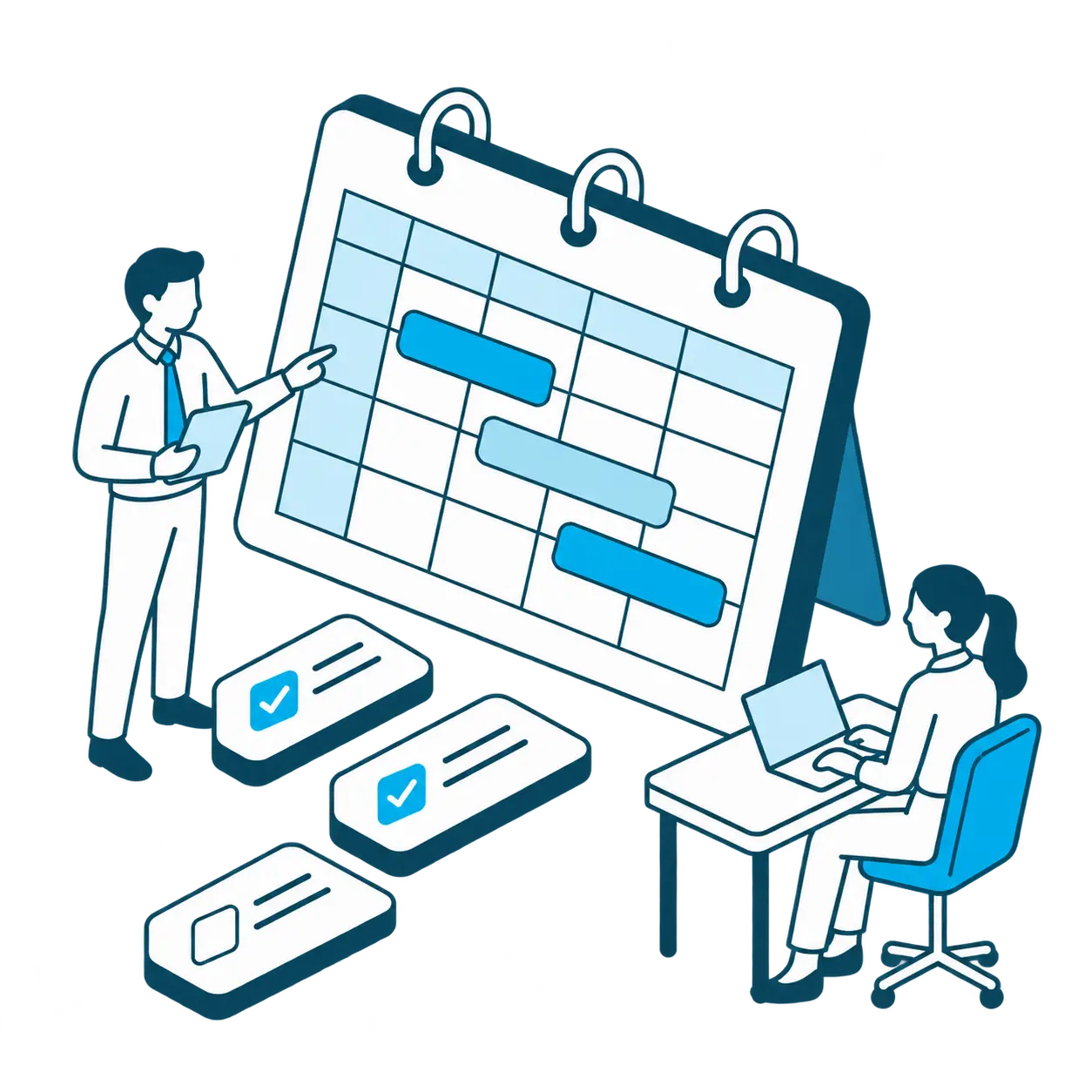
Business planning, analysis and application development

We Can Review

  • Custom applications
  • Web applications
  • Mobile applications
  • Customer portals
  • Internal systems
  • Databases
  • APIs
  • Scheduled jobs
  • Reporting systems
  • Business workflows

We Look For

  • Manual processes
  • Repetitive workflows
  • Information bottlenecks
  • Difficult searches
  • Data trapped in systems
  • Reporting limitations
  • Opportunities for automation

An existing operations application might already contain:

Customers → Jobs → Employees → Time → Documents → Invoices → Accounting

AI may be able to connect those pieces and provide capabilities that weren't possible when the application was originally built.

Make Your Business Knowledge More Accessible

Important business knowledge often exists across:

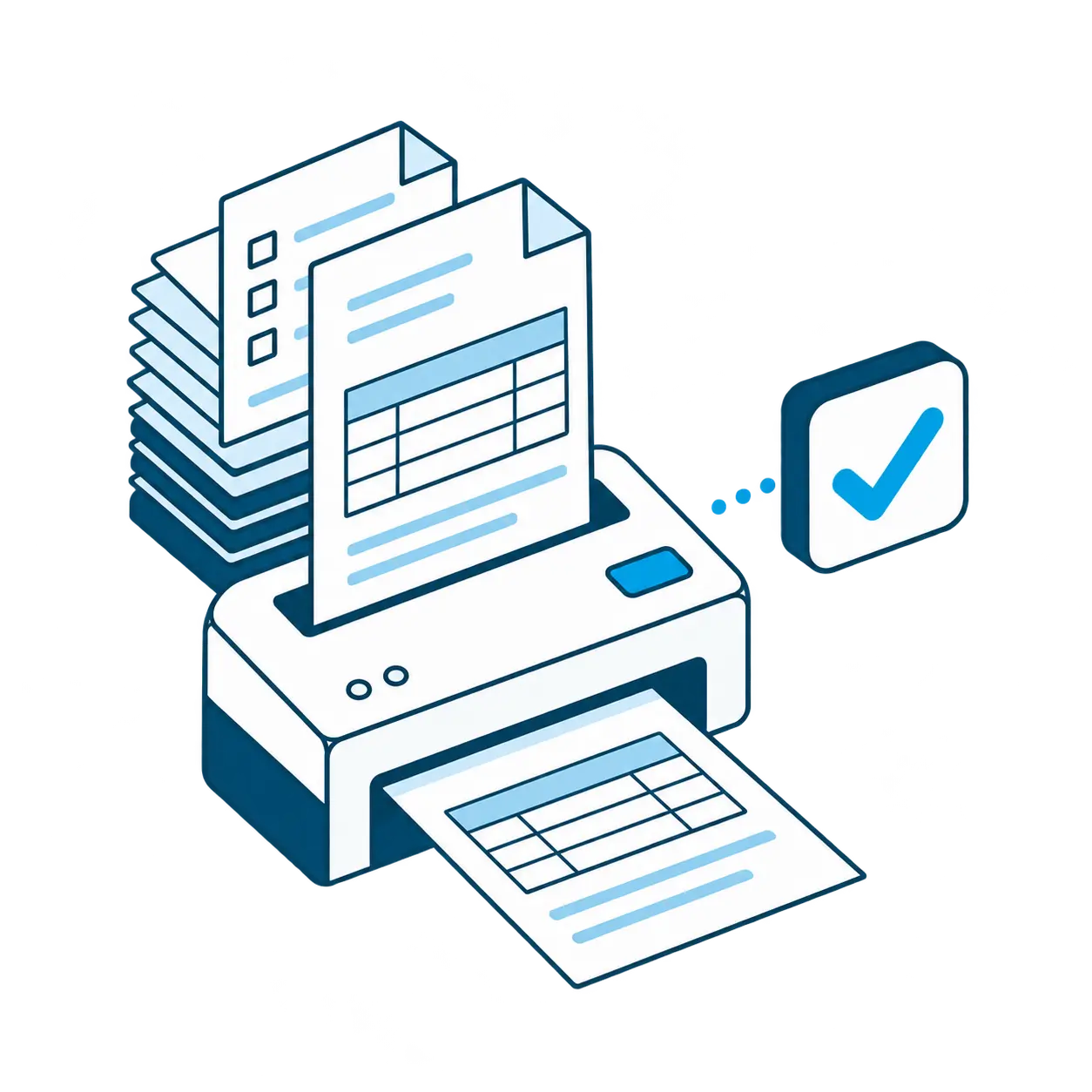
Connected business application screens and communication tools
  • PDFs
  • Manuals
  • Policies
  • Emails
  • Spreadsheets
  • Databases
  • Websites
  • Knowledge bases
  • Customer records
  • Application data

AI can make that information easier to search, summarize and use.

Potential Capabilities:

  • Natural-language search
  • Document question answering
  • Summarization
  • Classification
  • Information extraction
  • Knowledge assistants
  • AI reporting

Instead of searching through multiple documents:

"What is our policy for this type of customer request?"

an employee could ask the application directly and receive an answer with references to the underlying information.

Look Beyond a Single Application

Many business processes span several systems.

A customer might exist in a CRM, an order might exist in an ERP, invoices might exist in accounting software and supporting documents might live elsewhere.

AI opportunities often appear at the boundaries between these systems.

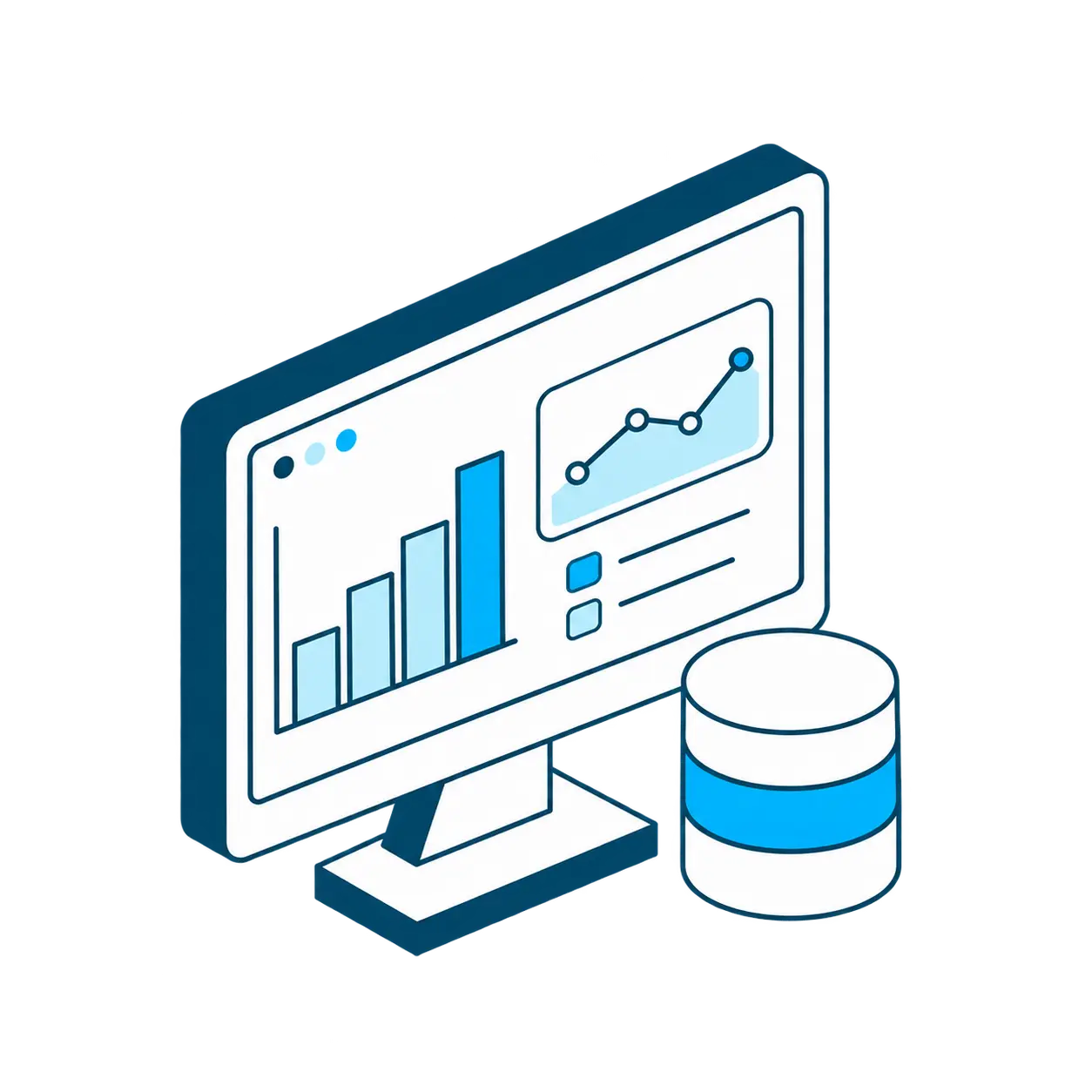
Business planning, analysis and application development

Common Systems:

  • CRM
  • ERP
  • Accounting
  • Payroll
  • Microsoft 365
  • Google Workspace
  • Payment systems
  • Document platforms
  • Industry-specific systems
  • Internal applications

A business may currently require an employee to:

Open the CRM → Find the customer → Open the accounting system → Check invoices → Open the support system → Review open issues → Compile the information manually

An AI-powered workflow could potentially bring those systems together through controlled integrations.

The AI opportunity may not exist inside one system. It may exist between them.

Common AI Opportunities We Evaluate

AI Search

Help users search applications, documents and business knowledge using natural language.

AI Assistants

Give employees or customers a conversational interface to business information and application functionality.

Document Processing

Extract, classify, validate and summarize information from documents.

Data Analysis

Help users analyze business data and identify trends, exceptions and patterns.

Recommendations

Use business information to recommend next steps or prioritize work.

Content Generation

Generate drafts of:

  • Emails
  • Reports
  • Summaries
  • Proposals
  • Customer responses
  • Internal documentation

AI Agents

Allow AI to use defined tools and perform approved actions.

Workflow Automation

Use AI to coordinate multi-step business processes.

Anomaly Detection

Identify unusual activity or records that may require human review.

Turn an AI Idea Into Something Your Business Can Actually Use

AI consulting should lead somewhere. Once an opportunity has been identified, we can help translate it into a practical implementation plan.

From:

  1. Business Problem
  2. AI Opportunity
  3. Data & Systems Required
  4. Technical Approach
  5. Security & Governance
  6. Implementation Scope
  7. Project Roadmap
  8. Working Application

The goal is to move from "We should do something with AI" to a clearly defined project.

Should You Build, Buy or Integrate?

Not every AI problem requires custom development. Depending on the situation, the best solution may be an existing product, an integration, custom software or a combination.

Buy

Use an existing AI product when:

  • The problem is common
  • A suitable product already exists
  • Customization requirements are limited

Integrate

Connect an existing AI capability to your current applications when:

  • Your software already works
  • AI can be added through APIs
  • Your primary need is connecting systems

Build

Develop a custom AI-powered application when:

  • Your workflow is unique
  • Existing products don't fit
  • Your application is strategically important
  • Custom business logic is required

Modernize + Integrate

Modernize an existing application when:

  • Technology is outdated
  • APIs are limited
  • Data is difficult to access
  • Security needs improvement
  • AI integration requires architectural changes

The recommendation should be based on business value, not on whether custom development is possible.

AI Strategy Should Include Security From the Start

AI can introduce new considerations around data access, privacy, security and business risk. These should be considered before implementation rather than after deployment.

Areas We Can Evaluate

Data Access

What information will AI need?

Permissions

Who should be able to access that information?

Sensitive Information

What customer, employee or business data is involved?

AI Actions

What actions should AI be allowed to perform?

Human Approval

Which decisions or actions should require a person?

Auditability

What should be logged?

Data Protection

How should information be transmitted, stored and protected?

AI Reliability

How should inaccurate or uncertain AI responses be handled?

Cost Controls

How will AI usage and API costs be monitored?

Responsible AI starts with understanding what the system is allowed to know and do.

What You Get From an AI Consulting Engagement

The output should be practical enough for your team to act on. Depending on the engagement, deliverables can include:

AI Opportunity Map

A list of identified opportunities across applications, workflows and business processes.

Prioritized Use Cases

Opportunities evaluated by:

  • Business value
  • AI fit
  • Complexity
  • Risk
  • Data readiness
  • Implementation effort

AI Readiness Assessment

An evaluation of:

  • Applications
  • Data
  • Infrastructure
  • APIs
  • Security
  • Integrations

Technical Recommendations

Potential:

  • AI models
  • APIs
  • Architecture
  • Data approaches
  • Integration methods
  • Infrastructure

Implementation Roadmap

A sequence of recommended projects.

Project Concepts

Defined opportunities that can move directly into implementation.

Estimated Scope

Where appropriate:

  • Complexity
  • Development requirements
  • Integration requirements
  • Expected project range
  • Ongoing operating requirements

Executive Summary

A concise explanation of:

Where AI can help → What to do first → What it will require

Our AI Consulting Process

Discover

We learn about:

  • Your business
  • Your applications
  • Your workflows
  • Your employees
  • Your customers
  • Your data
  • Your existing technology
Identify

We identify potential AI opportunities.

We look for:

  • Repetitive processes
  • Information bottlenecks
  • Document-heavy work
  • Manual analysis
  • Search problems
  • Workflow opportunities
Evaluate

Each opportunity is assessed for:

  • Business value
  • AI fit
  • Data availability
  • Technical feasibility
  • Complexity
  • Security
  • Integration requirements
Prioritize

We determine which opportunities should be:

  • Built now
  • Built later
  • Used as foundational projects
  • Monitored
  • Rejected
Plan

We define:

  • Architecture
  • Technology
  • Integrations
  • Data requirements
  • Security
  • Implementation approach
  • Project scope
Implement

Where appropriate, Oracast can move directly from consulting into development and implementation.

We Can Take the Next Step With You

AI consulting should not leave you with a report and a list of unanswered questions. Oracast can continue into implementation when a project is identified.

Typical Journey:

  1. ConsultingIdentify opportunity
  2. AssessmentDefine requirements
  3. ImplementationBuild the AI capability
  4. IntegrationConnect applications and systems
  5. AI App CareMonitor, maintain and improve

Related Services:

  • AI Implementation
  • AI Integration
  • AI-Powered Applications
  • AI Search
  • AI Agents & Automation
  • Application Modernization
  • AI App Care

What Could AI Consulting Identify?

Field Operations

A business has an application managing jobs, employees, schedules and accounting exports.

AI can provide:

  • Natural-language operational reporting
  • Failed export detection
  • Job exception identification
  • Employee time analysis
  • Automated communications

Document Processing

A business receives large numbers of invoices or other documents.

AI can provide:

  • Automated data extraction
  • Validation
  • Classification
  • Missing information detection
  • Workflow routing

Customer Service

A company has a customer portal and support system.

AI can provide:

  • AI customer assistant
  • AI search
  • Automated support summaries
  • Suggested responses
  • Customer issue prioritization

Internal Business Knowledge

Employees spend significant time looking for information across documents and systems.

AI can provide:

  • AI knowledge assistant
  • Document search
  • Policy search
  • Natural-language questions
  • Source-linked answers

Cross-System Workflow

A process requires employees to move information between multiple systems.

AI can provide:

  • System integration
  • AI-assisted workflow
  • Automated data validation
  • Exception handling
  • AI agent

We Can Analyze the Application You Already Have

For businesses with custom software, the application itself can provide valuable information about potential AI opportunities.

Business planning, analysis and application development

Oracast can examine areas such as:

  • Application architecture
  • Technology stack
  • Database
  • APIs
  • User roles
  • Workflows
  • Forms
  • Reports
  • Scheduled jobs
  • Integrations
  • Documents
  • Data entities
  • Repetitive operations

Identify where AI could:

Search → Analyze → Recommend → Generate → Act → Automate

Code analysis alone cannot determine where AI will create business value.


Technical findings should be combined with conversations about:

  • User pain
  • Business priorities
  • Operational impact
  • Desired outcomes
  • Customer requirements

Technology can show us what is possible. The business determines what is valuable.

AI Consulting From a Team That Can Build the Solution

AI strategy is more useful when the people creating the roadmap understand how the resulting software will actually be built.

Oracast combines:

Business Application Development

Experience building real business software.

AI Integration

Experience integrating modern AI models and APIs into applications.

Application Modernization

Ability to address technical limitations that may prevent AI adoption.

Infrastructure

Understanding of hosting, deployment, monitoring and application environments.

Security

Ability to consider application and AI security as part of the architecture.

Implementation

The ability to take an identified opportunity from concept to working software.

We don't just tell you what AI could do. We help determine what is worth doing - and can build it.

Start With an AI Opportunity Assessment

You don't need a detailed AI strategy before contacting us.

If you're wondering where AI could help your business, we can start by looking at your applications, workflows, data and systems.

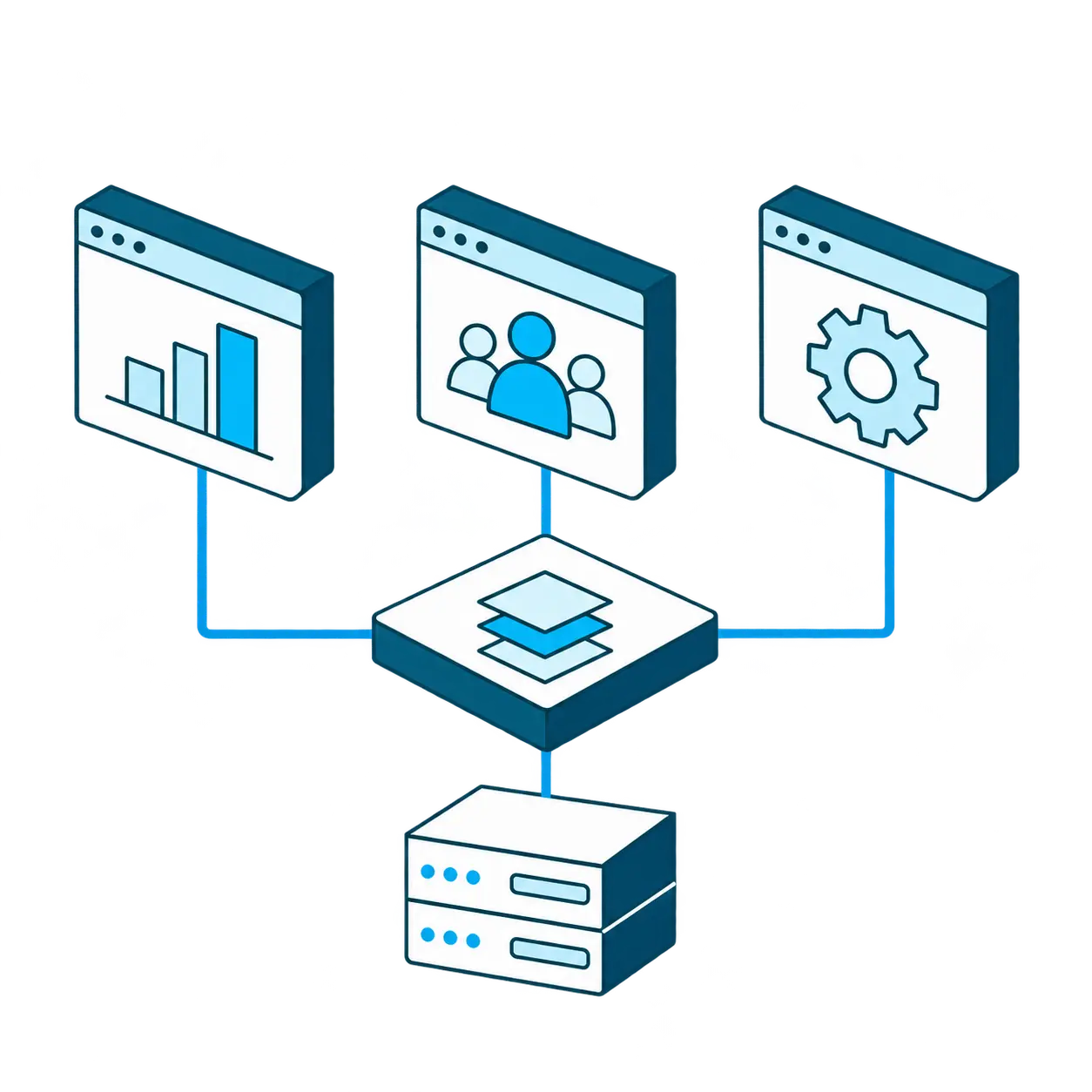
Business planning, analysis and application development

We Can Help You Determine:

  • Where AI could create value
  • Which opportunities are practical
  • What data is required
  • What systems need to connect
  • Whether modernization is necessary
  • What security considerations exist
  • What should be built first
  • What should not be built

A practical roadmap for moving from AI ideas to implementation.

AI Consulting Questions

What does an AI consultant do?

An AI consultant helps businesses identify practical opportunities for using artificial intelligence, evaluate technical and business requirements, assess risks and develop an implementation roadmap.

Do we need to know exactly what we want to build?

No.

AI consulting can help identify opportunities based on your business processes, applications, data and goals.

Is AI consulting only for large companies?

No.

AI opportunities can exist in businesses of different sizes. The appropriate project depends on the business problem, available data, technology and expected value.

Can you evaluate our existing application for AI opportunities?

Yes.

An existing application can be reviewed for its architecture, data, workflows, APIs, integrations and repetitive processes to identify potential AI opportunities.

Do we need to replace our existing software to use AI?

No.

AI can often be integrated into existing applications. If the application has significant technical limitations, modernization may be appropriate.

What is an AI Opportunity Assessment?

It is a structured evaluation of potential AI use cases across your business, including business value, AI fit, data requirements, technical feasibility, integrations, security and implementation complexity.

Will you recommend AI even when it isn't the right solution?

The objective is to identify where AI provides value.

Some problems may be better solved through traditional software, integrations, rules-based automation or process improvements.

Can you help us choose an AI model or technology?

Yes.

Technology recommendations can consider factors such as:

  • Capability
  • Cost
  • Performance
  • Data requirements
  • Security
  • Integration
  • Reliability
Can AI consulting include AI automation?

Yes.

Workflow automation and AI agents can be evaluated where AI can safely perform or coordinate multi-step tasks.

Can you implement the AI solution after the consulting project?

Yes.

When an opportunity is appropriate for development, Oracast can move from consulting into AI implementation, integration or application development.

How much does AI consulting cost?

The cost depends on the scope of the assessment, number of applications or workflows involved, complexity of the business and depth of technical analysis required.

A focused opportunity assessment can be much smaller than a company-wide AI strategy engagement.

What happens after an AI consulting engagement?

The output can be used to prioritize AI projects, modernize applications, implement integrations, build AI-powered applications or begin a focused automation project.

You Don't Need to Figure Out Your AI Strategy Alone

AI can create real value—but only when it is applied to the right problems.

Oracast can help you understand where AI fits into your applications, workflows, data and business systems, then turn the most valuable opportunities into practical projects.

Talk to Us About AI